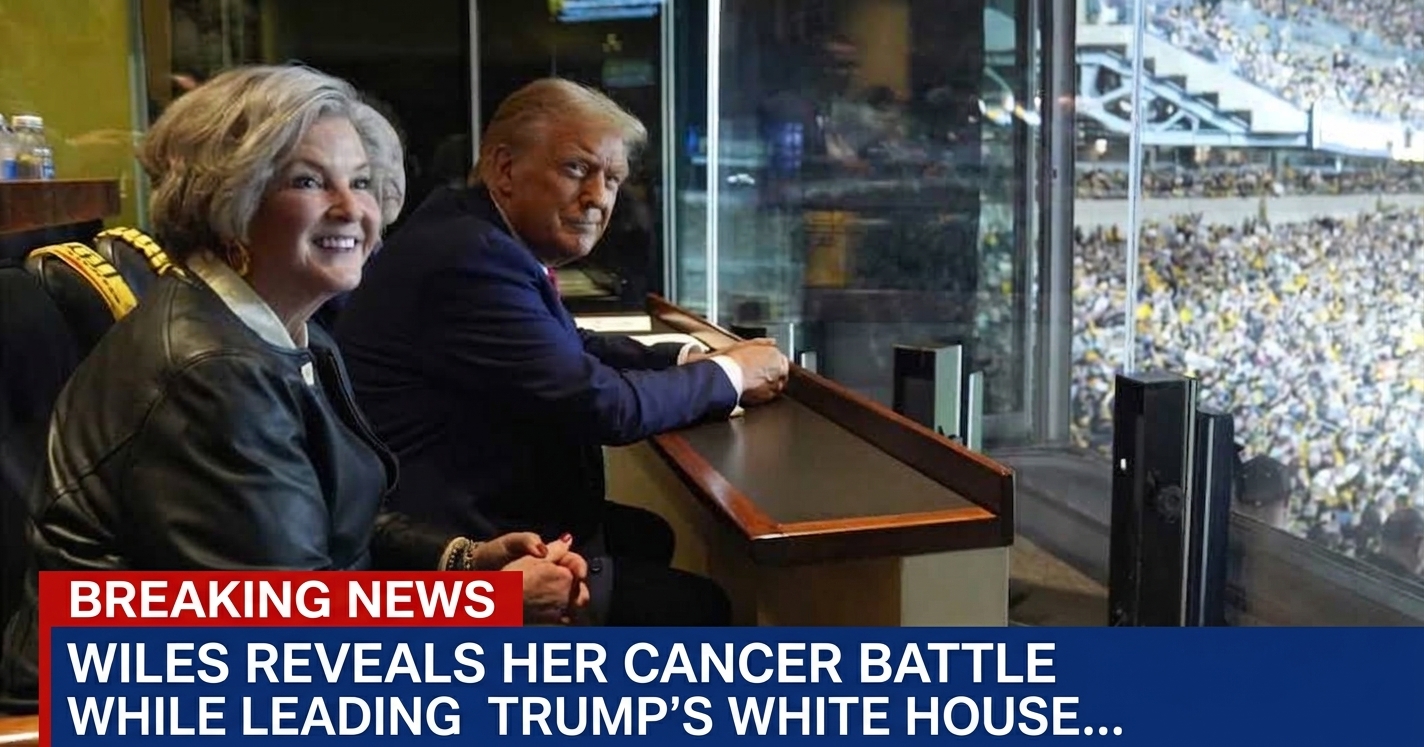
Susie Wiles, who announced last week that she is cancer-free, shared that her work helped her maintain a sense of purpose throughout her treatment.
WASHINGTON, D.C. — White House Chief of Staff Susie Wiles shared a detailed account on Sunday, September 27, of the physical and emotional toll of undergoing breast cancer treatment while continuing to serve in President Donald Trump’s administration.
In an op-ed published in USA Today, Wiles described the delicate balance of undergoing chemotherapy, attending medical appointments, and managing the demands of one of Washington’s highest-profile positions. Her account comes just one week after announcing that post-surgery pathology tests revealed no residual cancer, confirming she is cancer-free.

Balancing Chemotherapy with White House Duties
Wiles reflected on how cancer became a constant presence in her life during treatment, consuming her thoughts from the moment she woke up and even while she slept. She noted that the uncertainty surrounding treatments, test results, and future outcomes was exceptionally difficult to manage while overseeing her duties at the White House.
“Fighting cancer is brutal and unrelenting,” Wiles wrote.
She explained that the physical and mental demands varied daily: while some days were consumed by fighting the disease, on others, simply preparing for the workday required immense effort.
“Most days, I carried the full weight of both,” she shared.
Despite her diagnosis, Wiles continued working for President Trump, including working remotely during portions of the six-month treatment period. She noted that remaining engaged in her role provided a vital sense of purpose amid medical appointments, scans, and physical side effects.
“Cancer can make your world very small. I worked hard not to let it,” Wiles wrote.
Wiles acknowledged that treatment impacted her stamina, mobility, and concentration at times. She was not always able to attend every event, but colleagues stepped in to cover her responsibilities while her family, friends, and medical team offered continuous support.
She emphasized that maintaining a work schedule during treatment may not be appropriate or feasible for every patient. For her, however, remaining in her White House role preserved a sense of identity beyond her illness.

Reaching a Cancer-Free Diagnosis
Wiles disclosed her early-stage breast cancer diagnosis in March, stating at the time that she was joining the many women who persevere through treatment while managing their daily lives.
“Every day, these women continue to raise their families, go to work, and serve their communities with strength and determination,” she said in March. “I now join their ranks.”
Following surgery and chemotherapy, Wiles announced on September 16 that her pathology results from an appointment at the Mayo Clinic had come back completely clear.
Looking ahead, Wiles said her primary focus is on recovering from the physical toll of her treatment. In her essay, she reflected candidly on the grueling experience.
“Chemotherapy tested me in ways I could never have anticipated. The next stage will require a serious commitment to rebuilding what treatment took from me,” she wrote. “Cancer does not have to take away who you are.”

Wiles expressed gratitude to President Trump, her family, friends, colleagues, and medical team for their unwavering support throughout her treatment. Trump had previously praised his chief of staff during a prerecorded tribute in May, commending her resilience and noting that she was winning her battle against cancer.