Senior Trump administration officials gathered at Camp David on Friday for hours of high-level discussions about the war with Iran and the rapidly escalating conflict between Iran-backed Houthi forces and the Saudi-backed government in Yemen.
The previously unannounced meeting brought together some of President Donald Trump’s most senior national security advisers as the administration weighs its next steps in two increasingly interconnected Middle East conflicts.
Vice President JD Vance chaired the session, according to Axios.
Secretary of State Marco Rubio, Defense Secretary Pete Hegseth, CIA Director John Ratcliffe, Middle East envoy Steve Witkoff and Joint Chiefs of Staff Chairman Gen. Dan Caine were among those attending, CBS News reported.
Trump was not reported to have attended the Camp David meeting. Officials discussed possible next steps in the Iran war as well as whether and how the United States should support a major Saudi-backed campaign against the Houthis in Yemen.
The meeting took on additional significance because of its timing.
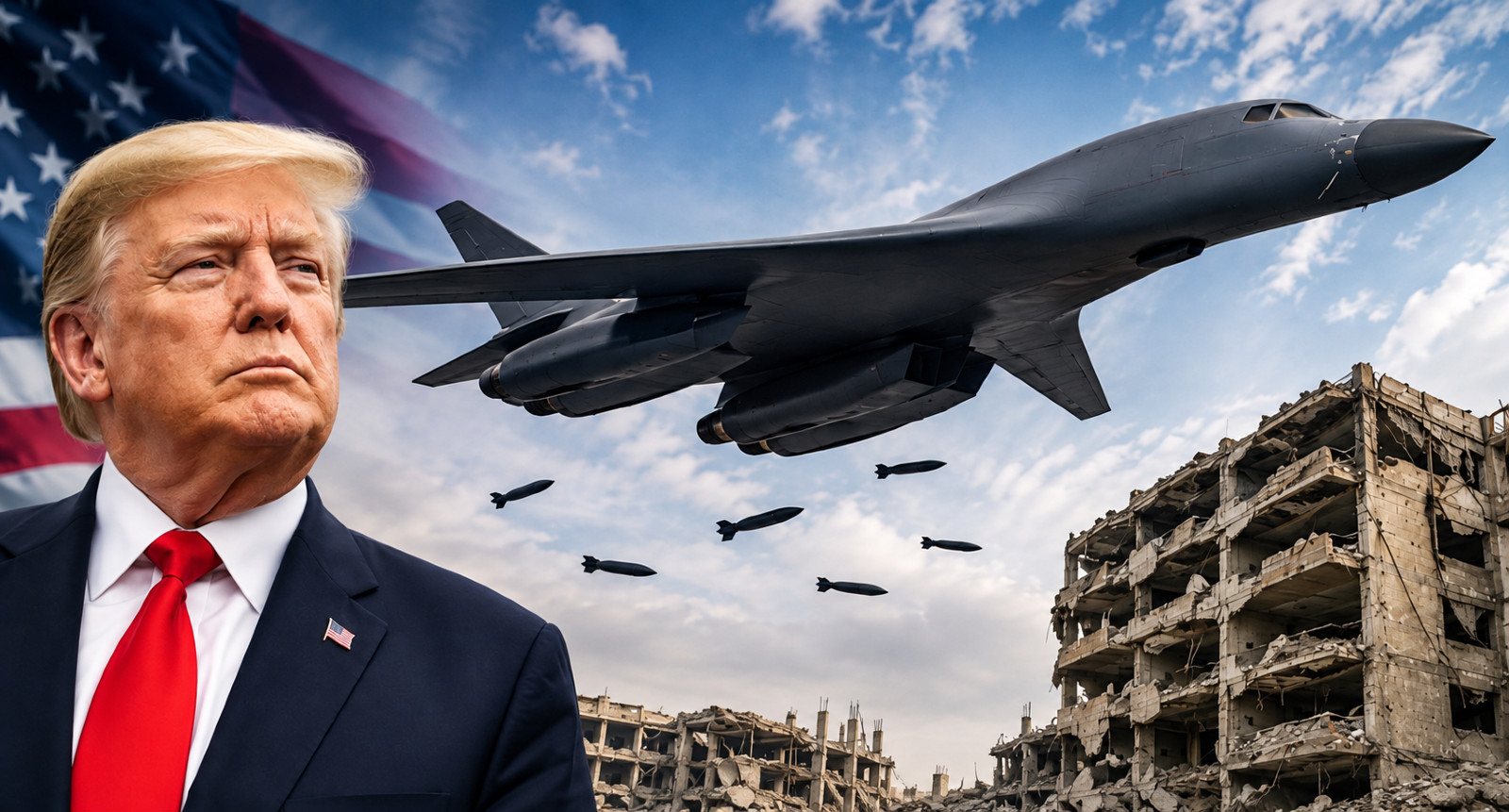
The U.S. military evacuated a dozen B-1 bombers from the RAF Fairford airbase in the UK over the weekend, the Pentagon said.
A U.S. official said the base was under threat of attack by Iran.
Rubio told reporters on Monday that there are “regular rotations” of U.S. Air Force assets around the world and that the movement of the bombers was not directly tied to the Iranian threat.
“We have confidence in the security of all of our bases. All of our bases could be threatened theoretically at any moment and that is why there is so much security built around them,” he said.
Rubio said the U.S. has been working closely with the British government on an investigation into the threat “and they couldn’t be more cooperative.”
British security forces last week arrested several dual British-Iranian citizens suspected of planning an attack on the base.
Saudi Arabia has been pressing Washington for additional military assistance as Yemen’s internationally recognized government attempts to retake territory controlled by the Houthis.
Saudi Defense Minister Prince Khalid bin Salman spoke with Hegseth on Thursday and briefed him on the planned offensive, according to Axios. The Saudi official also renewed a request for direct U.S. airstrikes against Houthi targets.
For now, the Trump administration has stopped short of approving American combat operations.
U.S. officials said Washington is providing intelligence and targeting assistance to Saudi and Yemeni forces but is not currently conducting direct strikes against the Houthis as part of the new offensive.
One official said that position could change depending on developments on the battlefield.
U.S. Central Command has reportedly expressed reservations about opening another major front while American forces remain heavily engaged against Iran.
The Houthis, who have received weapons and other support from Tehran for years, have increasingly become part of the broader regional confrontation.
They have launched missiles and drones at Saudi targets, including energy facilities, while fighting Saudi-backed Yemeni forces for control of strategically important territory.
Yemen’s internationally recognized government announced Sunday that it was launching a major operation aimed at retaking Houthi-held areas.
Tens of thousands of Yemeni government troops are participating, while Saudi Arabia is providing extensive air support.
Rashad al-Alimi, head of Yemen’s Presidential Leadership Council, said the objective is ultimately to regain territory controlled by the Houthis, including the capital, Sanaa.
Trump has repeatedly indicated that he wants the Iran conflict concluded but has also warned Tehran that additional American military action remains possible.
Speaking Friday night at a rally in Mobile, Alabama, Trump predicted the war would end “very soon,” suggesting it could happen shortly after the Nov. 3 midterm elections.
“It’s gonna end very soon, probably right after the election,” Trump said.
Trump argued that the United States had already inflicted such extensive damage on Iran’s military and infrastructure that Washington could end its operations immediately without allowing Tehran to quickly restore its previous capabilities.
“We could leave tomorrow and it would take them years to rebuild from what we did to them,” Trump said. “They shoulda negotiated.”
Trump specifically pointed to earlier B-2 bomber strikes against Iranian nuclear facilities.
“The B-2 bombers took ’em out,” Trump said.
Diplomatic efforts have continued alongside the fighting, but recent negotiations have produced little visible progress.
Rubio last week ordered an Iranian delegation in New York for the United Nations General Assembly to leave the United States after U.S. officials concluded that discussions had stalled.
Two remaining members subsequently departed after the State Department demanded that they leave, although Tehran disputed Washington’s characterization of the episode.
This article may contain commentary which reflects the author’s opinion.