It was a terrible night for Republicans in the House, Senate, and various governors’ races around the country on Tuesday, as voters appeared to be sending a message of disapproval to them and President Trump.
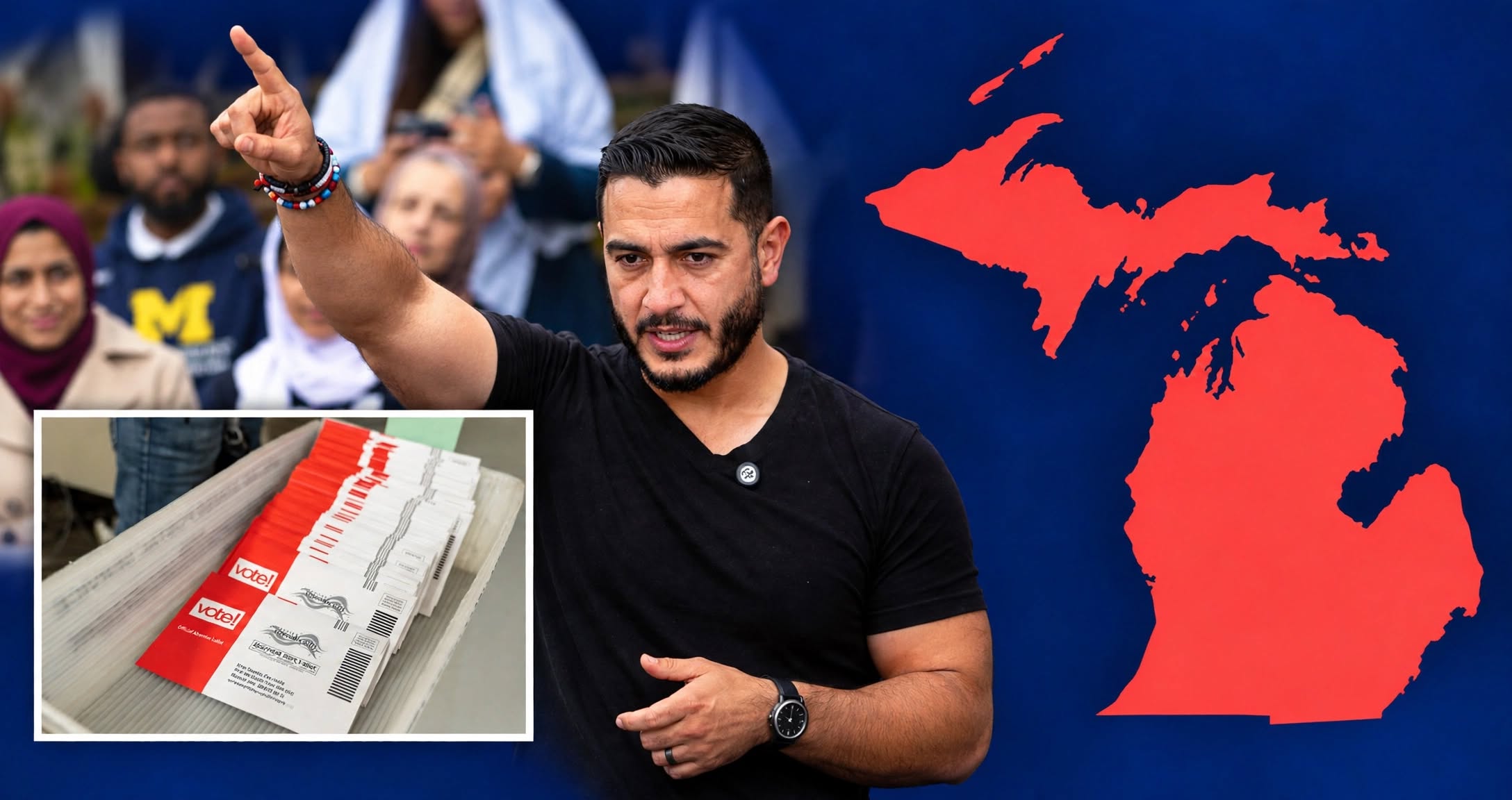
Democratic Socialist Abdul El–Sayed aimed at President Donald Trump, Vice President JD Vance, and Republican Mike Rogers during a combative Michigan victory speech.
El-Sayed defeated Rogers in the closely watched race to replace retiring Democratic Sen. Gary Peters, according to projections from major news organizations.
The victory keeps the Michigan Senate seat in Democratic hands and makes El-Sayed the first Muslim elected to the U.S. Senate.
El-Sayed used his election-night remarks to attack Republicans over a bruising campaign that frequently focused on his left-wing politics, Muslim faith, and criticism of Israel.
He accused his opponents of going “all-in on one of the ugliest campaigns we’ve seen in our lifetimes.”
El-Sayed argued that Republican attacks focusing on his identity distracted from economic issues facing Michigan voters.
“They might have been pointing at my name and my faith,” El-Sayed said before mentioning voters struggling with gasoline and grocery costs.
Trump repeatedly attacked El-Sayed during the closing weeks of the campaign, including calling him a “jihadist” and questioning whether he belonged in the Senate.
El-Sayed has denied allegations that he was affiliated with the Muslim Brotherhood, telling Fox News he had never belonged to the organization.
The senator-elect responded directly to Trump during his victory speech, accusing the president of openly mocking his name and religion.
El-Sayed told parents troubled by Trump’s attacks to tell their children “that the bad guys lost.”
He then turned toward Vance, with whom El-Sayed repeatedly clashed during the campaign.
El-Sayed noted that Vance, as vice president, is constitutionally positioned to preside over the Senate when new members are sworn into office.
“There is this delicious irony in the fact that you’re constitutionally obligated to swear me in in January,” El-Sayed said.
The Michigan Democrat then turned the moment into a reference to the longstanding University of Michigan-Ohio State rivalry.
“Wolverine one. Buckeye zero,” El-Sayed said, drawing cheers from supporters.
His harshest comments were reserved for Rogers, the former congressman and Army veteran who was making his second consecutive bid for the Senate.
“Enjoy your retirement,” El-Sayed told Rogers during the speech.
“You chose hate, and Michigan chose hope,” he added, before saying he hoped Michigan would not see another candidate like Rogers.
The rhetoric signaled that El-Sayed could arrive in Washington prepared for confrontations with Republicans and some members of his own party.
El-Sayed also used the speech to reiterate his opposition to American support for Israel, another issue that dominated the contentious campaign.
The progressive Democrat said Americans wanted their tax money spent domestically rather than supporting Israeli policies he strongly opposes.
Israel became a major fault line during the campaign, particularly after Democratic Rep. Haley Stevens endorsed Rogers rather than El-Sayed days before Election Day.
Stevens accused El-Sayed of tolerating rhetoric she considered unacceptable, while El-Sayed emphasized that a controversial advertisement at the center of their dispute came from an outside organization.
Republicans attempted to make El-Sayed a national symbol of the Democratic Party’s progressive wing after his primary victory over Stevens.
Trump, Vance, Sen. Ted Cruz and other prominent Republicans campaigned against him, while Barack Obama, Bernie Sanders and Alexandria Ocasio-Cortez supported El-Sayed.
Rogers also received Stevens’ dramatic endorsement during the campaign’s final weekend, an extraordinary break by the Democratic congresswoman with her party’s nominee.
The endorsement ultimately was not enough to carry Rogers across the finish line.
El-Sayed now heads to Washington after surviving one of the country’s most contentious Senate campaigns, and his victory speech suggested the political battles surrounding him are unlikely to end with Election Day.
This article may contain commentary which reflects the author’s opinion.