Democrats’ efforts to project unity are facing an interruption, with a prominent party leader delivering criticism days before voting ends.
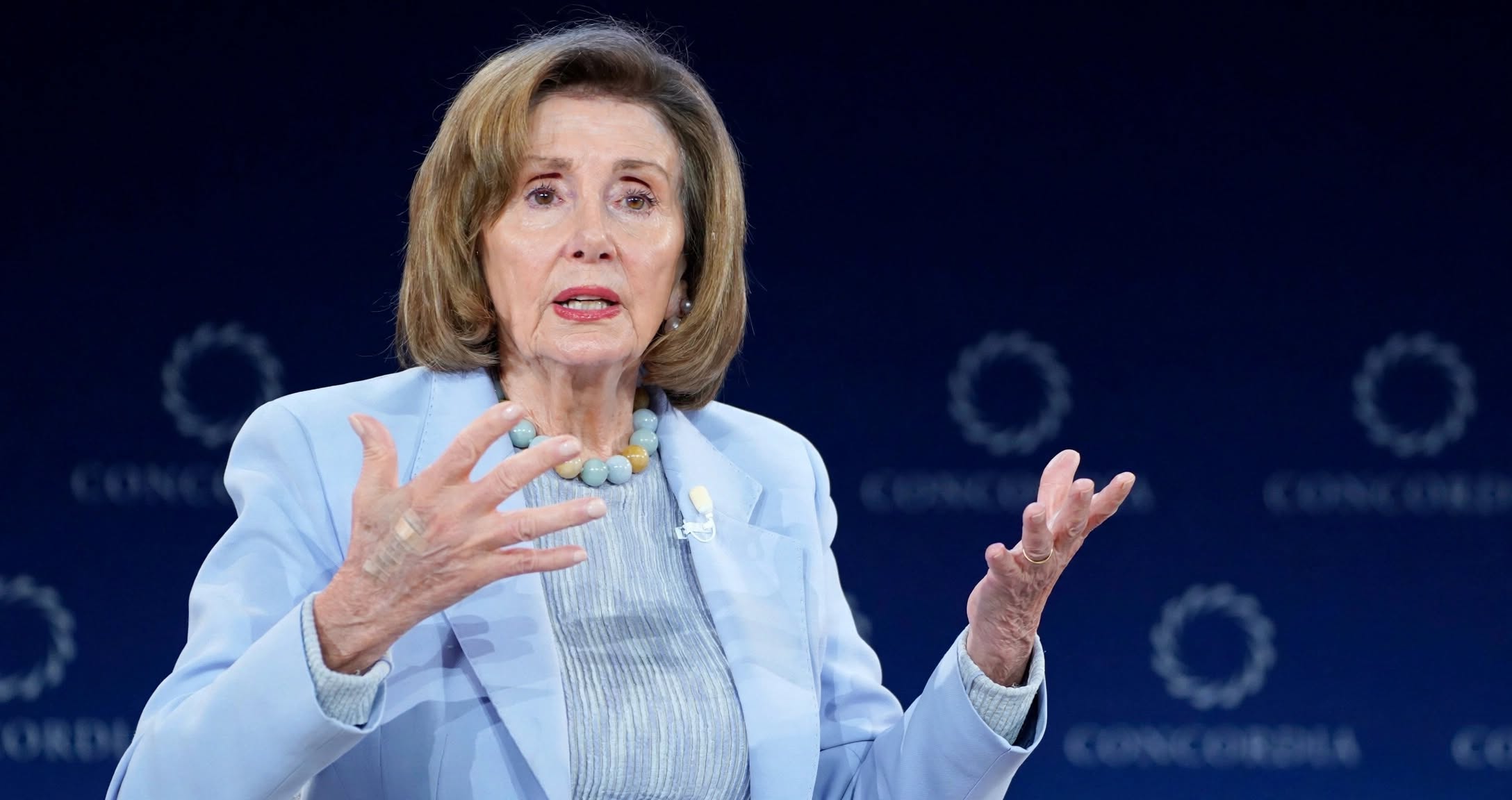
Former House Speaker Nancy Pelosi (D-Calif.) called a foreign policy position taken by Michigan Senate nominee Abdul El–Sayed wrong during a podcast interview.
The remarks give Republicans fresh ammunition in a consequential Senate contest where competing factions are still working to come together.
Speaking with Donny Deutsch, Pelosi rejected the position he described concerning Israel’s right to exist as a Jewish state.
Deutsch named El-Sayed and New York City Mayor Zohran Mamdani identifying Democrats whose statements troubled him as a Jewish voter.
“No, it’s more than concerning,” Pelosi responded during questioning. “It’s wrong. It’s wrong.”
🚨 Pelosi rips Abdul El–Sayed, says his views on Israel are “more than concerning”: “This new person in Michigan, we’ll see if he gets elected.” https://t.co/zRtjdLvfPx
— Greg Price (@greg_price11) October 30, 2026
Pelosi then distinguished those views from Democrats serving in Congress, placing distance between her congressional colleagues and the position described.
Her response carried significance for El-Sayed, who faces Republican Mike Rogers in Michigan’s closely contested race for an open seat.
Rather than offering a defense of the nominee, Pelosi pointed toward the unresolved election and whether he would reach Congress.
She did not endorse Rogers, urge voters to oppose El-Sayed, or announce that the party was withdrawing support from him.
Still, her criticism creates an opening for Republicans highlighting divisions within the Democratic coalition over Israel and national identity.
The exchange occurred during an extended appearance on On Brand with Donny Deutsch, approximately 20 minutes into the full interview.
Deutsch pressed Pelosi about reconciling Jewish support for Democrats with positions expressed by prominent figures inside the party’s broader coalition.
Pelosi pushed back against portraying congressional Democrats as antisemitic, then asked Deutsch to identify the politicians behind his concerns.
After he named Mamdani and El-Sayed, she delivered the repeated rebuke rather than dismissing the question or defending the position.
She separately expressed hope that Mamdani would succeed as mayor, while acknowledging disagreement with some of his public statements.
Her remarks about El-Sayed focused instead on whether Michigan voters would elect him, leaving the nominee without comparable encouragement.
The disagreement concerns El-Sayed’s refusal to affirm that Israel should exist specifically as a Jewish state, according to the account.
El-Sayed has framed his position around equal rights and opposition to governments privileging a particular religious identity over others.
Critics argue that his answer denies Jewish national self-determination, making the dispute particularly sensitive for voters concerned about Israel’s future.
Pelosi’s answer sided against the position Deutsch described, although she did not examine every distinction within El-Sayed’s explanation during discussion.
Fox News reported the interview Thursday night and said representatives for Pelosi, El-Sayed, and Mamdani had not provided additional comment.
The timing compounds the political challenge because Democrats have been arranging a public display of unity after Michigan’s contentious primary.
According to the Associated Press account described in the supplied report, El-Sayed planned an appearance with former rival Haley Stevens.
Their joint event at a Detroit church was intended to demonstrate cooperation during the campaign’s final weekend before Election Day.
Stevens endorsed El-Sayed after losing the nomination, but the two had rarely appeared together since shortly after the August primary.
That effort illustrates the importance Democrats place on reconnecting supporters whose preferred candidates competed for the nomination earlier this year.
Pelosi’s criticism cuts across that message by exposing disagreement from a recognizable Democrat with experience leading her party.
For Rogers, the remarks offer a contrast with attacks coming directly from Republican campaign operatives or conservative commentators.
President Donald Trump and Vice President JD Vance have also targeted El-Sayed during their closing campaign push, the report states.
El-Sayed has responded confrontationally, including a challenge involving a lie detector and mockery of Vance during a campaign appearance.
Those exchanges reflect a heated contest featuring arguments about national security, economic policy, foreign affairs, and the Democrat’s progressive record.
This article may contain commentary which reflects the author’s opinion.