A federal warning has raised the stakes in an election fight already moving through the courts.
This time, the message carries potential personal consequences for officials handling ballots before the November midterms.
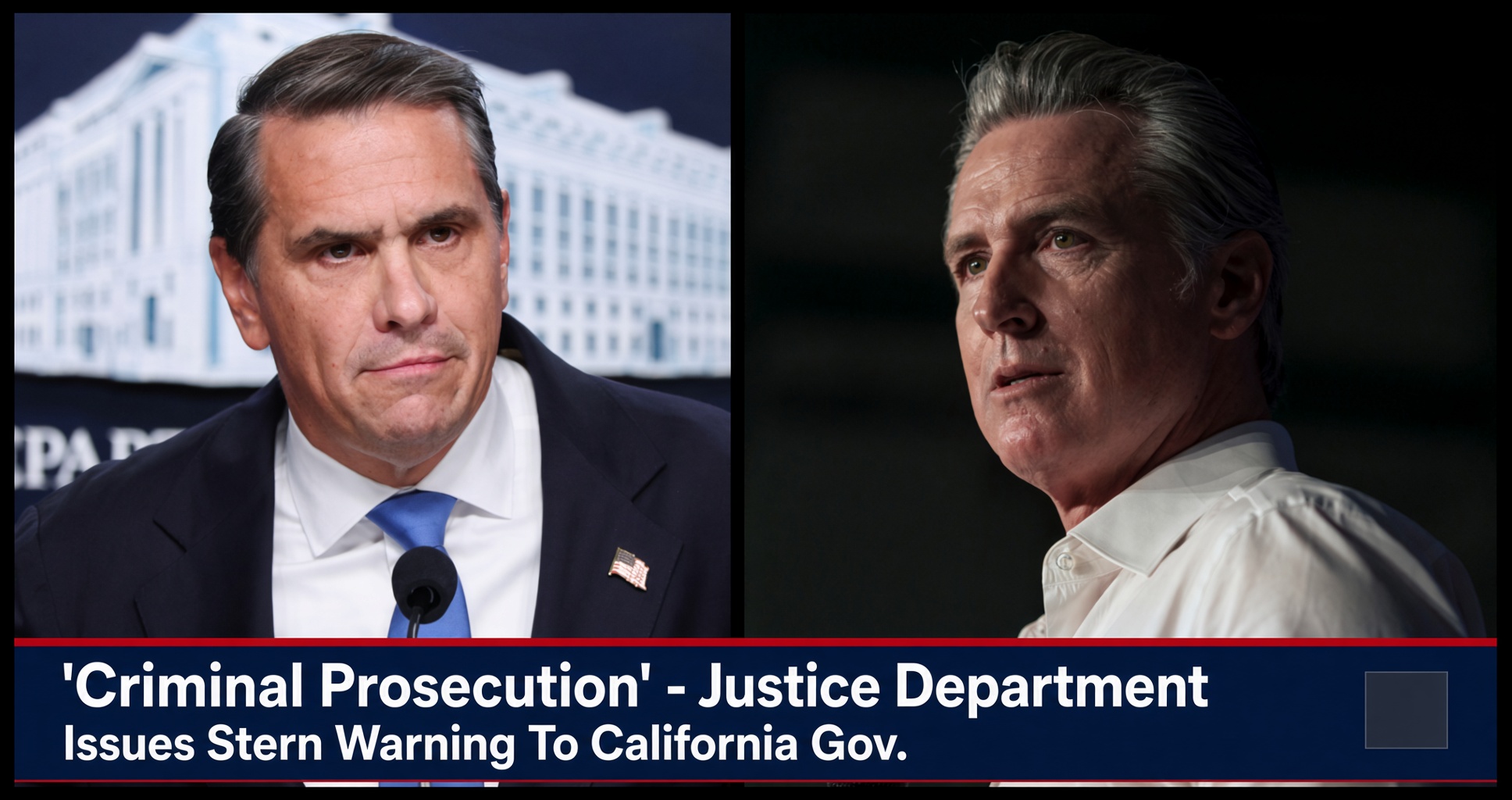
The Justice Department warned California election officials Friday that knowingly counting unlawful noncitizen ballots could expose them to prosecution.
The warning followed Thursday’s federal lawsuit seeking to stop counting certain mail ballots until citizenship is verified.
At issue is a federal list identifying approximately 20,000 registered voters as likely noncitizens, a classification California disputes.
Acting Deputy Attorney General Trent McCotter delivered the warning in a letter obtained by The Associated Press.
“The legal consequences for either facilitating or ignoring a federal crime are significant,” McCotter wrote.
His letter argued that knowingly helping noncitizens vote could make election officials criminally liable themselves.
The warning went to the Los Angeles County Counsel’s office, with copies sent to two senior election officials.
Those officials were California Secretary of State Shirley Weber and Los Angeles County Registrar Dean Logan.
The letter does not announce criminal charges against either official or establish that anyone knowingly counted an unlawful ballot.
It nevertheless moves the confrontation beyond voter eligibility and into potential accountability for the people administering elections.
Federal officials say California received an opportunity to review the names and help determine which individuals are citizens.
The state did not meet the administration’s 48-hour review deadline, prompting the lawsuit.
California officials maintain that the federal government has not substantiated its allegations about the flagged voters.
Logan said the dispute should now be addressed in court while his office concentrates on conducting a secure election.
The federal complaint explains how the administration says it developed the disputed list.
Homeland Security agencies compared California voter-registration information with federal immigration records, according to the Justice Department.
Federal officials describe their analysis as preliminary, with further review ongoing.
The complaint says citizenship and immigration personnel reviewed potential matches before referring names to Homeland Security Investigations.
Investigators then performed additional analysis intended to address mismatches and other possible data deficiencies.
Those descriptions represent the government’s account of its process, rather than a judicial finding validating every name.
The administration argues that California cannot disregard the resulting concerns simply because it normally mails ballots to registered voters.
Its requested remedy is to set aside the identified ballots until officials determine whether the voters are citizens.
The lawsuit seeks verification beyond the citizenship declarations used during registration.
That distinction matters: The requested court order would suspend tabulation pending verification, rather than automatically cancel every flagged ballot.
First Assistant U.S. Attorney Bill Essayli accused California officials of refusing an opportunity to address the problem.
“We are taking California to federal court to demand that the votes of American citizens not be diluted by noncitizens.”
Attorney General Todd Blanche likewise framed the lawsuit as an effort to enforce election law and restore public confidence.
For voters concerned about election integrity, the government’s central argument is straightforward: Eligibility requirements must mean something.
But accurate identification is essential when the proposed action could prevent a lawful voter’s ballot from being counted.
California’s objection centers on that question of proof, along with the demands imposed during an election already underway.
The constitutional dispute concerns how federal election law interacts with the state’s administration of its voting system.
The Justice Department invokes the Constitution’s Supremacy Clause, arguing that conflicting state practices must yield to federal law.
Its complaint alleges California is obstructing enforcement by proceeding without resolving the citizenship questions.
Those allegations remain subject to a judge’s review, including the government’s evidence and the legal basis for intervention.
Separately, the criminal warning raises questions about what officials knew and whether their actions knowingly facilitated unlawful voting, Local 10 reported.
A federal designation of likely noncitizenship remains different from a completed determination that a particular voter is ineligible.
This article may contain commentary which reflects the author’s opinion.