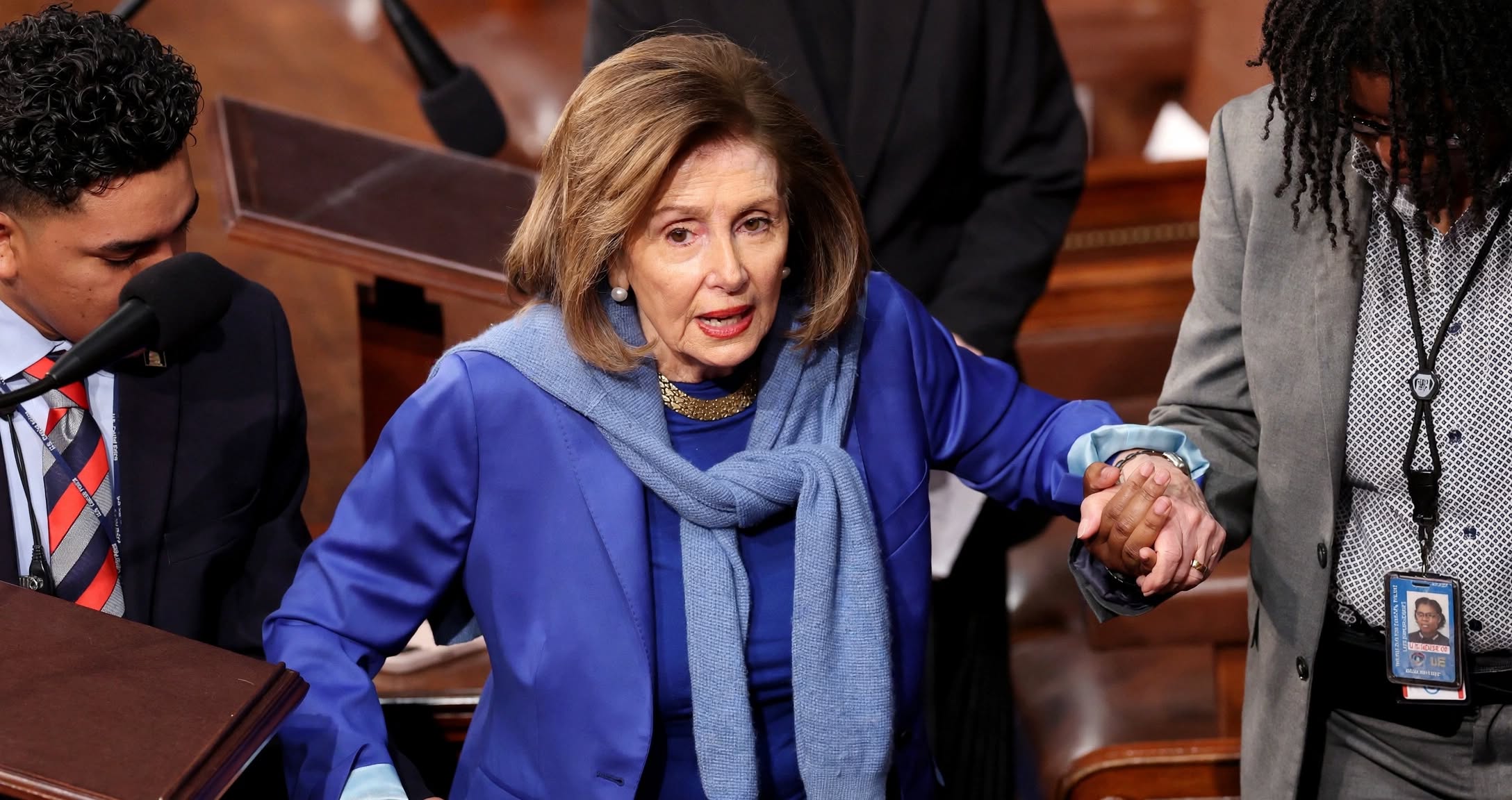
Nancy Pelosi’s preferred successor has lost the race for her seat, delivering a political setback as she prepares to retire.
Democratic state Sen. Scott Wiener defeated fellow Democrat Connie Chan in California’s 11th District, according to the Associated Press.
Chan, a San Francisco supervisor, had Pelosi’s endorsement, fundraising assistance, and staff support during her effort to win the seat.
Wiener will instead succeed the former House speaker, ending a succession fight within the Democratic Party’s San Francisco political establishment.
Pelosi is retiring after nearly 40 years in the House, making the contest a significant transition for her longtime constituency.
Her involvement gave Chan support from one of the most recognizable and influential Democrats in modern congressional history.
But that backing failed to deliver the seat, with voters choosing a candidate who had prepared for the opening earlier.
Wiener began positioning himself for the district long before Pelosi announced her retirement, according to the account of the race.
Pelosi endorsed Chan shortly before the primary, helping an underdog campaign compete through fundraising and organizational support.
Both Democrats advanced under California’s top-two primary system, setting up a general election without a Republican finalist.
The outcome keeps the seat in Democratic hands while rejecting Pelosi’s choice of which Democrat should inherit it.
For Republicans, the result offers a pointed example of the limits of Pelosi’s influence, even inside her own political backyard.
The campaign also generated accusations about why the former speaker intervened against Wiener.
His political allies complained that Pelosi’s involvement reflected a personal vendetta, an allegation Pelosi denied.
That dispute added a dimension to a contest already shaped by the question of who would follow her decades-long tenure.
Wiener brings an established record in California government, having first won election to the state Senate in 2016.
Before Sacramento, he served on the San Francisco Board of Supervisors, representing the district once held by Harvey Milk.
His official biography identifies housing, transportation, healthcare, climate policy, criminal justice, and LGBTQ issues among his legislative priorities.
Those positions give Republicans a substantial policy record to examine as Wiener moves from state politics to Washington.
Housing has been a particularly prominent focus, including legislation intended to accelerate approvals and allow more residential development.
His office highlights SB 35, a law designed to streamline housing approvals in communities failing to meet their housing goals.
He also authored SB 10, allowing local governments to expedite zoning changes for buildings containing up to 10 apartments.
Wiener co-authored SB 9, which expanded opportunities for duplexes and subdivisions on properties previously restricted to single-family homes.
His transportation record includes support for public transit funding, bicycle infrastructure, and alternatives to automobile travel, according to his office.
Before elected office, Wiener practiced law, including work as a San Francisco deputy city attorney and in private practice.
He earned degrees from Duke University and Harvard Law School and has lived in San Francisco’s Castro neighborhood since 1997.
Chan also entered the congressional race with experience in local government and connections across San Francisco’s Democratic establishment.
First elected to the Board of Supervisors in 2020, she represents District 1, including Richmond District neighborhoods.
Her campaign biography says she became chair of the board’s budget committee in February 2023.
She previously worked for then-District Attorney Kamala Harris, former Supervisor Aaron Peskin, and then-Assemblymember Kevin Mullin.
Chan’s background also includes community organizing, volunteer interpreting, and work involving parks and higher education, according to her campaign.
Born in Hong Kong, she moved to San Francisco at 13 and later earned a degree from UC Davis.
Both finalists brought government experience to the contest, while Pelosi’s endorsement made the race an unmistakable test of succession politics, The Washington Post reported.
California’s primary rules allow two candidates from the same party to advance if they finish first and second.
This article may contain commentary which reflects the author’s opinion.