The Trump administration secured breathing room in an immigration battle after an appeals court halted a deadline approaching this weekend.
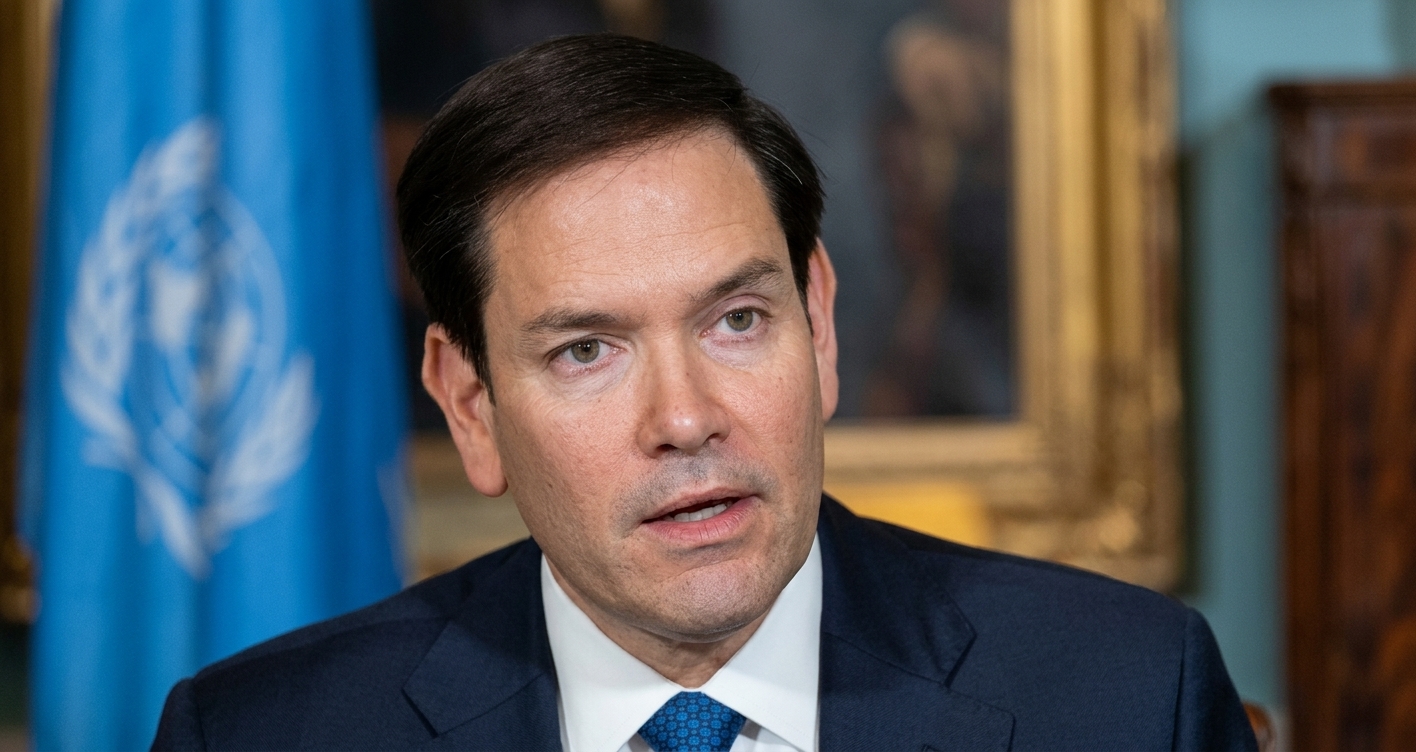
A Ninth Circuit panel blocked an order requiring Secretary of State Marco Rubio to reopen registration for the 2027 Diversity Visa lottery.
The unanimous decision delivers a victory for the administration while exposing a weakness in the lawsuit behind the order.
The October 29 stay means the State Department does not have to meet the November 1 deadline while appeal proceeds.
Three appellate judges granted the administration’s emergency request, concluding that officials had demonstrated their likelihood of succeeding against the plaintiff.
The ruling focuses on Red Eagle Law, an immigration firm that sued Rubio after registration failed to open.
Red Eagle was the only plaintiff and neither sued for a prospective entrant nor claimed to currently represent one.
Instead, the firm argued that losing potential clients and future revenue gave it grounds to challenge the State Department’s inaction.
The appeals panel found that interest insufficiently connected to the purposes Congress sought to advance through the immigration program.
The Diversity Visa Program “was enacted to encourage immigration, not generate revenue for law firms,” the panel wrote.
That distinction undercut the preliminary injunction issued October 14 by U.S. District Judge Jinsook Ohta, who accepted the firm’s argument.
Ohta concluded that business opportunities provided a sufficient interest to challenge the department’s failure to administer the lottery.
Her schedule required registration dates announced October 29, registration opened November 1 for 30 days, and selection notifications December 3.
The injunction would have compelled the administration to begin the lottery process before the broader legal dispute reached a conclusion.
The Trump administration appealed, arguing that potential legal fees were outside the interests protected by the Diversity Visa statute.
The Ninth Circuit agreed that the government was likely to prevail on that question, granting relief from the approaching deadlines.
Congress established the program to encourage immigration from countries with historically low immigration rates to the United States.
The program provides up to 55,000 immigrant visas annually, with millions of people normally entering for a chance at selection.
Approximately 100,000 entrants are selected and invited to apply because selection does not guarantee eligibility or issuance of a visa.
Applicants still must provide documentation, undergo screening, and satisfy legal requirements before receiving an immigrant visa through the program.
For fiscal year 2027, however, the department never opened the registration window, leaving prospective entrants unable to participate.
According to the appellate order described in the report, the department provided no explanation in the record for that inaction.
The panel did not endorse that failure, permanently authorize cancellation, or decide the entire appeal when it granted the stay.
Its reasoning addressed whether this law firm could bring this particular statutory challenge based on its anticipated future business.
Update: the 9th Circuit Court of Appeals has granted the Trump administration’s motion to stay the order requiring the entry period for the FY-2027 Diversity Visa program. This means the DV-2027 lottery entry period will not begin November 1, 2026. https://t.co/hiijbfw61N 1/3
— Curtis Morrison (@curtismorrison) October 30, 2026
U.S. District Judge N. Randy Smith separately argued that Red Eagle also lacked constitutional standing because its asserted injury depended on speculation.
His concurrence described several events that would need to occur before an unidentified foreign national became a paying client.
That person would have to enter, win selection, qualify to apply, decide to retain counsel, and ultimately choose Red Eagle.
The person could instead hire another firm or proceed without legal representation, further weakening the claimed connection to lost revenue.
Smith warned that permitting challenges based on hypothetical clients could invite virtually limitless litigation over government decisions affecting possible business.
His analysis adds another objection to the firm’s lawsuit, separate from the panel’s conclusion about the statute’s protected interests.
The outcome represents a procedural victory for Trump and Rubio, whose department now avoids compliance with the court-imposed reopening schedule.
It does not eliminate the diversity lottery or prevent a different plaintiff from challenging the administration’s decision through another lawsuit.
This article may contain commentary which reflects the author’s opinion.