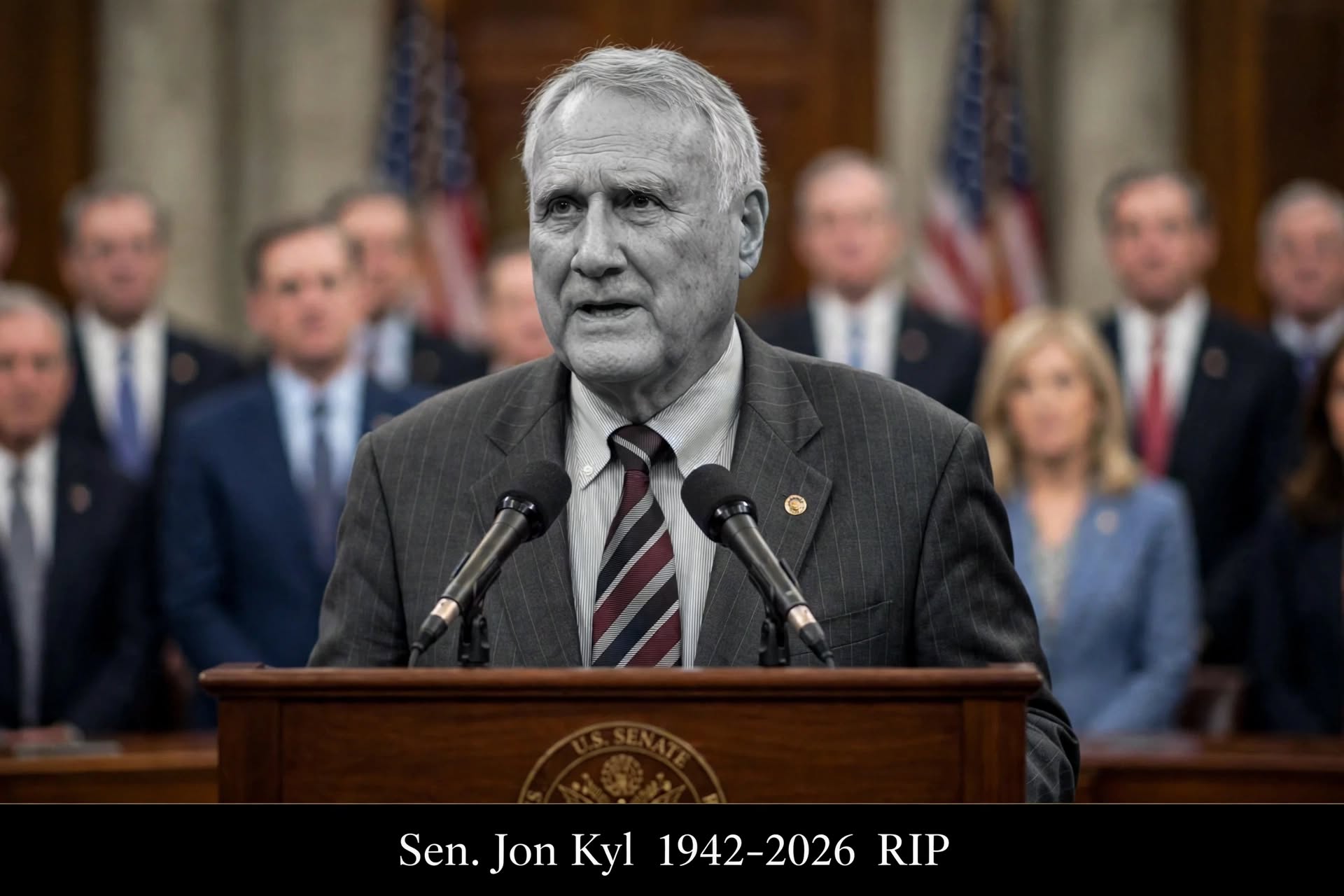
Former senator Jon Kyl, who served in Congress for nearly 30 years and rose through the ranks of GOP leadership to become the Senate’s No. 2 Republican, died at the age of 84, his family announced on Sept. 17.
Mr. Kyl’s passing comes nearly nine months after he announced he had been diagnosed with dementia and would be withdrawing from public life. In a statement to The Washington Post, his family shared that Mr. Kyl passed due to “complications from a neurological disease”.
“We know that Jon belonged to all of Arizona, a state he loved and explored with vigor, curiosity, and wonder,” his family said. “Serving his state and nation in Congress was a privilege and responsibility he honored and respected”.
Mr. Kyl served in the U.S. House of Representatives from 1987 to 1995 and in the U.S. Senate from 1995 to 2013. He served as the Senate minority whip before leaving public office in 2013 to become a lobbyist at Covington & Burling.
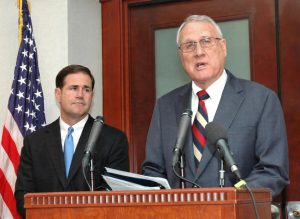
Following the death of former Arizona senator John McCain in 2018, then-Governor Doug Ducey appointed Mr. Kyl to fill the vacant seat. Mr. Kyl returned to the Senate somewhat reluctantly, driven by a sense of duty.
“I’m putting my country first, just as this seat’s previous occupant did every single day for more than 30 years,” Mr. Kyl said at the time.
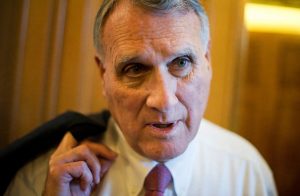
Mr. Kyl stayed in the Senate only through the end of 2018, prompting Ducey to appoint Martha McSally to serve out the remainder of McCain’s term.
“Jon Kyl gave Arizona nearly three decades of principled, thoughtful leadership — and he gave me something just as valuable: his mentorship and friendship,” Ducey said. “I’ll miss him deeply”.
Born in Nebraska in 1942, Mr. Kyl spent part of his youth in Iowa. He moved to Arizona to attend college, where he met his future wife, Caryll, and later attended law school.
During nearly two decades as an attorney in Phoenix, Mr. Kyl became deeply involved in water policy. He eventually chaired the local chamber of commerce for a year before being elected to the House in 1986.
By entering politics, Mr. Kyl followed in the footsteps of his father, John Henry Kyl, who served six nonconsecutive terms as a U.S. representative for Iowa — though his father initially discouraged the move.
“He had already been there, done that, knew what it was like and said, ‘Look, you have a perfectly good job, why would you want to go to Washington?’” Mr. Kyl recalled for an oral history project with the Central Arizona Project. “I said, ‘For the same reason you did,’ and he inspired me to public service”.
In addition to water rights, Mr. Kyl was a leading conservative voice in Congress for stricter immigration policy and against arms control. His alma mater, the University of Arizona, opened the Kyl Institute for National Security in his honor.
Throughout his tenure in the Senate, he was known as a effective strategist who achieved his goals — including stalling major immigration legislation sought by President George W. Bush — by working behind the scenes and through key allies.
“The government needs people who are willing to serve a cause greater than their own self-interest, and that personifies Jon. He was a true public servant,” said former senator Jeff Flake, who succeeded Mr. Kyl and briefly served alongside him in 2018.
Later in his career, Mr. Kyl came to symbolize the Republican Party’s transformation during the Trump era. In 2018, he publicly criticized President Donald Trump’s style as “boorish” and raised concerns about his relationship with Russian President Vladimir Putin. Yet months later, Mr. Kyl served as an official guide for Trump’s Supreme Court nominee, ushering Brett M. Kavanaugh through the Senate confirmation process. That effort placed Mr. Kyl in good standing with the White House and helped pave the way for his brief return to the Senate.
Though his final Senate term was brief, Mr. Kyl remained a strong advocate for civic engagement.
“The thing I enjoyed most about my public service, in addition to helping to make good policy for the country, was helping to teach people about our government, why it’s important for them to participate in it,” he shared on the Amazing Arizonans podcast in 2025.
“If you really care about your future, you care about your kids and grandkids and so on,” he added, “make a little time for participating in one of the political parties or in some other way where you can say at the end of your life, ‘Yeah, I did something’”.