A federal court has intervened in an election dispute, imposing nationwide restrictions just days before voters decide control of Congress.
The emergency ruling blocks several tactics the Trump administration says are intended to prevent noncitizens from participating in American elections.
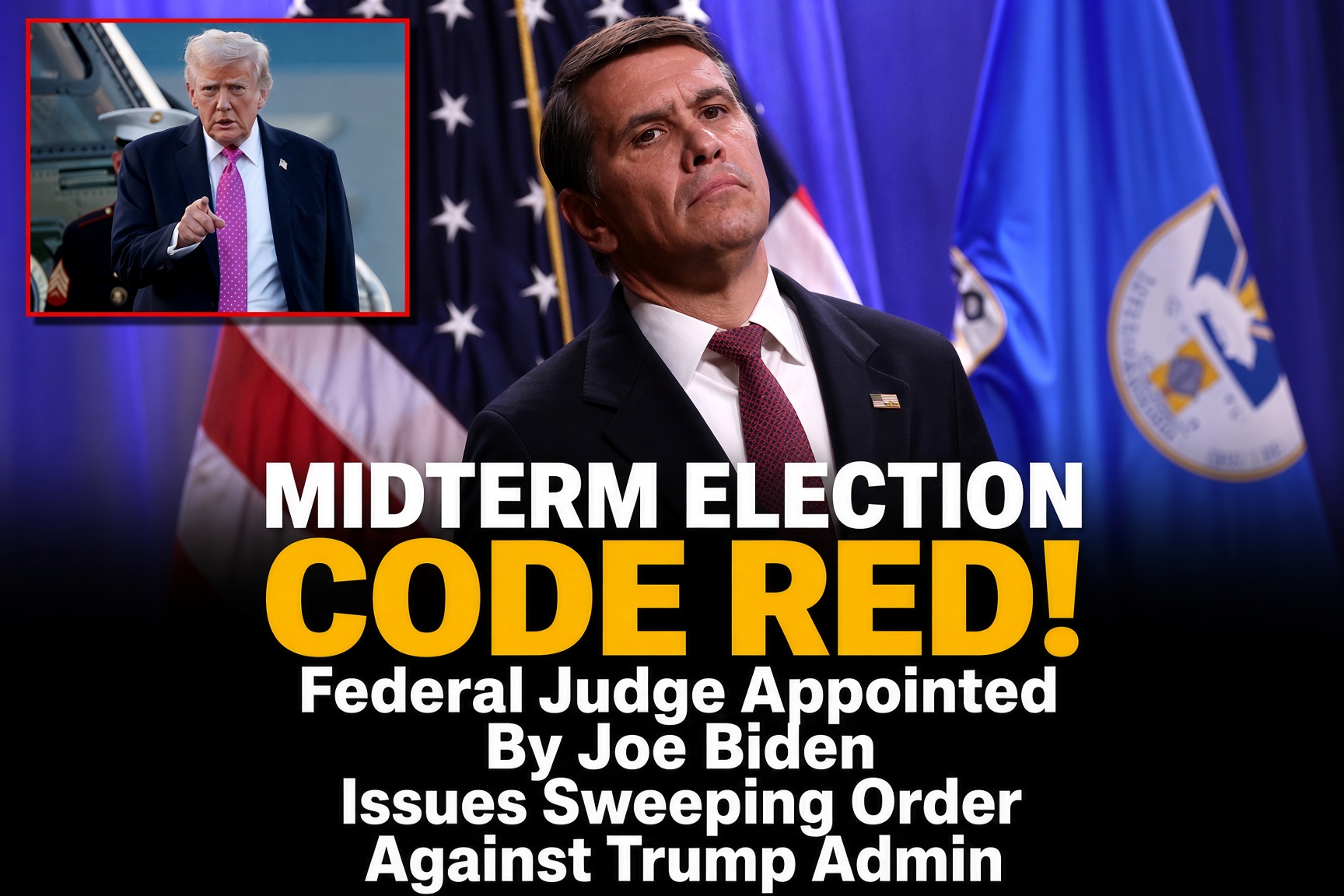
U.S. District Judge Trina Thompson barred the Justice Department and DHS from pressuring election officials to change procedures.
The Biden-appointed judge issued the order Friday evening, restricting demands involving ballot segregation, voter removals, and interruptions to ballot processing.
Her order is scheduled to expire November 16, keeping the restrictions in place through Election Day and subsequent counting.
Thompson said the agencies cannot demand that election officials in any state segregate ballots, purge voter rolls, or halt processing.
She also blocked threats of criminal prosecution against election officials and coercive actions seeking procedural changes over alleged voter ineligibility.
The ruling represents a significant setback for Trump’s administration as it presses states to address suspected noncitizens on voter lists.
Federal officials have defended their efforts as necessary to stop unlawful voting, while state and local election officials dispute government-generated lists.
Thompson concluded the administration’s actions were likely to interfere with election administration and disenfranchise lawful voters instead of protecting them.
Thompson rejected the administration’s position that election workers could face prosecution for failing to do enough to prevent illegal voting.
She said employees administering the midterms lawfully do not violate federal criminal law because officials allege voter ineligibility.
That reasoning applies to workers distributing, processing, or counting ballots, as well as employees performing election-administration duties under applicable law.
The judge also imposed a reporting requirement covering federal efforts to obtain election materials connected to the administration’s suspected-ineligible-voter lists.
Officials must inform her about related search warrant applications, grand jury subpoenas, and demands for election materials or ballots.
Those requirements extend the court’s oversight beyond communications with election administrators to investigative tools federal agencies have used or sought.
CNN said it contacted the Justice Department for comment following the decision, which arrived during the election’s final weekend.
The lawsuit was filed in the Northern District of California by labor unions and civil rights organizations challenging federal conduct.
The coalition includes the NAACP and League of United Latin American Citizens, which contend the administration has exceeded its authority.
Their case alleges violations of the Voting Rights Act and an unconstitutional intrusion into states’ responsibility for administering elections.
At the center of the dispute is a Department of Homeland Security operation comparing state voter lists with federal records.
The administration has used those comparisons to identify people it suspects are noncitizens and question whether their ballots should count.
Election officials argue that the resulting lists are unreliable and include citizens, raising concerns about eligible voters being wrongly targeted.
Several judges are examining the data-matching approach in lawsuits filed recently, creating overlapping challenges to the administration’s enforcement strategy.
The push included Justice Department letters to 29 states and Washington, D.C., threatening investigations and demanding preservation of election records.
Those letters sought records and voter data from the 2024 election, according to the report.
Federal law already requires jurisdictions to retain election records for 22 months after an election, providing an existing preservation framework.
The administration’s demands have intensified confrontation between federal and state officials over citizenship verification and the handling of ballots.
California has become a battleground, with the Justice Department seeking to prevent ballots from thousands of voters from being counted.
The federal government says those voters may be noncitizens; litigation concerns whether officials can intervene in state verification procedures.
An appeals court rejected the administration’s California demands, adding another obstacle to efforts to influence how disputed ballots are handled.
The Ninth Circuit said the administration lacked the right to intervene in state citizenship verification procedures, the report states, ABC News reported.
Thompson’s separate emergency order now imposes additional nationwide limits on the agencies as states continue distributing, processing, and counting ballots.
This article may contain commentary which reflects the author’s opinion.